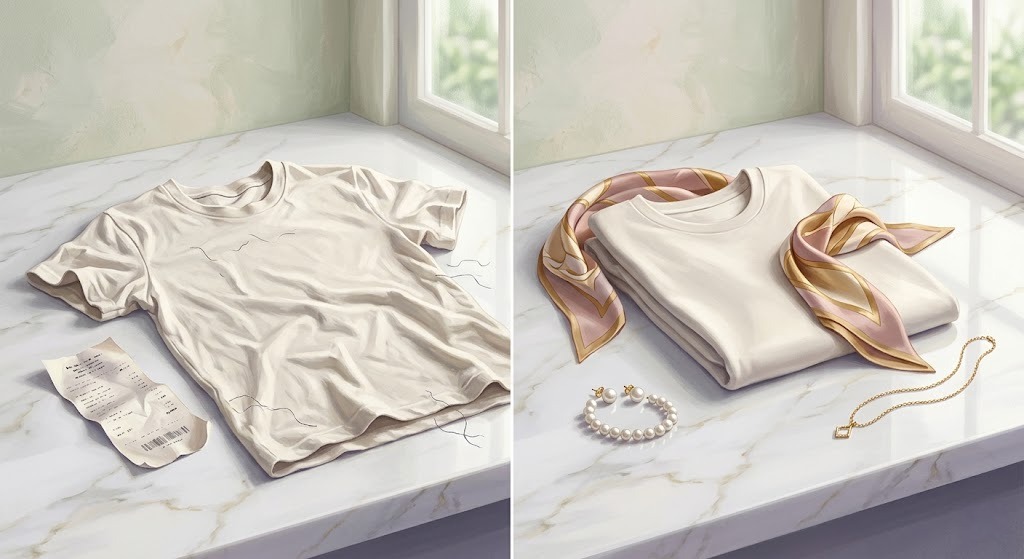
How to Look Expensive on a Budget: 8 Pro Stylist Secrets for a Luxe Wardrobe Without the Price Tag
Master the Art of Quiet Luxury with Affordable Outfits That Look High-End
Ever scrolled through Instagram and wondered how some women always look like they just stepped out of a private jet, even in a simple sweater and jeans? The secret isn’t a trust fund or a closet full of designer labels. In fact, the “quiet luxury” trend dominating 2026 proves that looking expensive is a styling strategy, not a price tag.
According to celebrity stylists and fashion experts, there are concrete rules you can follow to make budget-friendly pieces appear rich. The global affordable luxury fashion market, valued at $187.14 billion in 2025 and projected to hit $200.11 billion in 2026, reflects this growing desire for sophistication without the eye-watering cost.
Ready to unlock the secrets of high-low dressing that fashion insiders have been using for years? Here are 8 expert-approved tricks to make any affordable outfit look like a million bucks.
1. Prioritize Perfect Tailoring Over High Price Tags
The single most important rule for looking expensive on a budget is fit. When something fits for you, it always looks more expensive than it is. Even an inexpensive blazer can look designer if it hugs your shoulders correctly and cinches at the waist. Little details like the best hem for you and your shoes, darts to make things fit better or adjusting sleeve length can make all the difference and transform even something that is inexpensive.
Stylist Tip: Consider taking your affordable finds to a tailor. A $40 alteration on a $50 blazer can make it look like a $500 investment piece. Even a simple lint roll can elevate a sweater’s appearance. A wrinkled pant or dress instantly downgrades an outfit and makes you look sloppy.
2. Embrace Neutral Tones and Monochrome Looks
Have you ever noticed that fashion icons almost always wear neutral colors? There is a reason for that. Neutrals tend to always look more elevated and therefore expensive. Colors like camel, cream, black, navy, beige, and charcoal create a sense of timeless sophistication that bright or loud hues often lack.
- The Monochrome Trick: Wearing one color from head to toe is one of the quickest ways to elevate your outfit. It creates a streamlined, cohesive silhouette that reads expensive.
- Texture Variation: To avoid a flat look, mix different textures of the same color, such as a beige linen trouser with a silk blouse and a chunky knit cardigan.
3. Master the Art of High-Low Dressing
The “high-low” technique is the secret weapon of fashion insiders. It involves pairing your more affordable basics with just one or two investment pieces to create a balanced, chic look. For example, a complete Zara outfit can be elevated with a vintage Bottega Veneta bag, or a high-street sweater can look instantly richer when layered under a timeless camel coat.
The goal is to make it impossible to tell which piece was cheap and which was expensive. A designer bag, especially an oversized one, is a classic example of an investment that can make an entire outfit appear premium.
4. Mix Textures Like a Pro (Matte + Glossy)
One of the easiest ways to add visual interest and a luxe feel to an outfit is by mixing matte and glossy textures. The contrast between fabrics like linen, cotton, or wool (matte) and silk, satin, or faux leather (glossy) instantly elevates the overall look.
- Try This Formula: Pair a simple cotton shirt with a satin midi skirt or faux leather trousers. The interplay between the soft and shiny fabrics will make you look instantly polished, no designer tag needed.
More Texture Tips:
- Layer for Dimension: Throw a chunky knit cardigan over a satin slip dress.
- Structured vs. Soft: Balance a tailored denim jacket with a flowing silk dress.
- Textured Accessories: A woven raffia bag or a pair of suede loafers can add depth and an expensive feel.
5. Ditch the Logos for Quiet Confidence
The “quiet luxury” movement is all about subtlety. Wealth whispers, but insecurity shouts, and often it shouts in logos. Truly expensive-looking clothing relies on quality cuts and materials, not flashy brand names plastered across the chest.
Shop the Fabric, Not the Label: When shopping on a budget, always shop the fabric, not the label. Look for natural fibers like cotton, wool, silk, and linen, which tend to hang better on your body and look more premium than synthetic fabrics like polyester or rayon. Even the quality of the buttons matters. Neutral buttons look more elegant than shiny gold or silver ones that are not done well.
6. Let Shoes and Bags Do the Heavy Lifting
If you are not investing in expensive clothing, put your budget into high-quality shoes and bags. These accessories anchor your outfit visually and are the pieces that people notice first. Shoes are a vital component of the look, as they and bags mainly create an aura of luxury.
- Style Staples: Look for structured leather or faux leather handbags, loafers, and minimalist heels in neutral tones. Simple shapes and clean lines always look more polished than overly trendy or flashy designs.
7. Choose Timeless Pieces Over Trendy Fads
A capsule wardrobe of timeless staples is the foundation of an expensive-looking closet. Trends quickly look dated and often feel mass-produced. Focus on building a wardrobe with classic pieces like a white button-down shirt, tailored black trousers, a camel coat, and a simple black dress.
Trendy clothes can quickly look dated or mass-produced, while timeless staples hold their value visually and can be styled endlessly without needing constant replacements.
The 3-Way Test: When shopping, ask yourself if you can wear the item three different ways. This ensures versatility and longevity in your wardrobe.
8. Accessorize with Intent (and Keep it Classic)
Accessories are the final piece of the puzzle. The goal is to look polished, not overdone. Classic jewelry always looks wealthier than trendy. Pearls, diamond studs (even cubic zirconia), and small gold or silver hoops are safe bets. Adding a simple chain necklace and a few dainty stackable rings can create a cohesive, personal shopper-curated vibe.
- Hardware Rule: Stick to just one metal color, either all gold or all silver. Oftentimes hardware is the giveaway between looking cheap versus a luxury vibe.
Final Thoughts: Looking Rich is About Mindfulness, Not Money
Dressing in a way that looks expensive on a budget is entirely achievable. It is not about the amount of money you spend, but how you combine textures, balance colors, and style with purpose. Even the most expensive pieces can look cheap if styled wrong, while affordable clothes can look high-end when worn thoughtfully.
Your Affordable Luxury Checklist:
- Tailor everything to fit your body perfectly.
- Stick to neutral colors and monochrome palettes.
- Mix matte and glossy textures for visual depth.
- Shop for natural fabrics (linen, cotton, wool, silk).
- Avoid loud logos and flashy branding.
- Invest your budget in high-quality shoes and bags.
- Build a capsule wardrobe of timeless staples.
- Accessorize with classic pieces and cohesive hardware.
By mastering these simple rules, you can consistently project an aura of refinement and elegance, all while sticking to a budget.

Post Comment