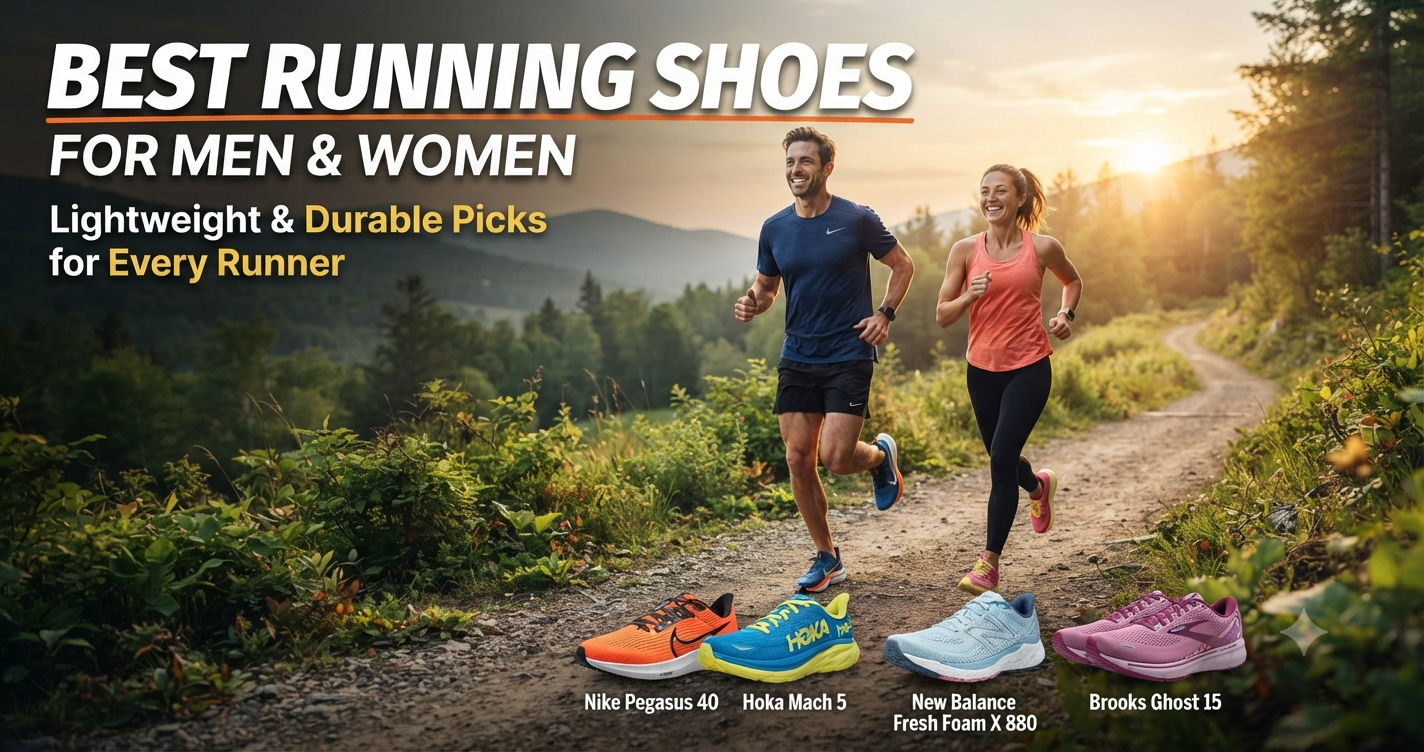
Best Running Shoes for Men & Women: Lightweight & Durable Picks for Every Runner
Introduction
Lace up the wrong pair of running shoes, and you’ll feel it by mile two — sore arches, hot spots, maybe a nagging ache in your knees that lingers for days. Lace up the right pair, and running suddenly feels like something your body was built to do.
That’s really what this guide is about: helping you cut through the noise of hundreds of running shoe options and land on a pair that actually works for your feet, your stride, and your goals. Whether you’re training for your first 5K, chasing a marathon PR, or just trying to make your morning jog less miserable, the shoes on your feet make a bigger difference than most people realize.
In this article, you’ll learn what actually separates a great running shoe from an average one, how to pick the right type for your foot and running style, what to look for in terms of cushioning and durability, and how to avoid the common mistakes that lead runners to buy the wrong pair. By the end, you’ll know exactly what to shop for — and why.
Why the Right Running Shoes Matter More Than You Think
Running shoes aren’t just about comfort. They directly affect your performance, your injury risk, and how consistent you can be with training.
A lightweight, well-cushioned shoe reduces the impact stress on your joints with every stride. Since the average runner takes somewhere between 150 and 180 steps per minute, even small design flaws — a stiff sole, poor arch support, a heavy upper — get multiplied thousands of times over a single run.
Here’s what a quality running shoe should actually deliver:
Impact Absorption
Good midsole cushioning spreads out the force of each footstrike, protecting your knees, hips, and lower back.
Energy Return
Modern foam compounds don’t just absorb shock — they spring back, giving you a bit of propulsion with every step. This is part of why shoes feel “fast” or “dead” underfoot.
Stability and Support
Your shoe should support your natural foot mechanics, whether you overpronate, underpronate, or land pretty neutrally.
Breathability
Mesh uppers keep your feet cool and dry, which matters for comfort and for preventing blisters on longer runs.
How to Choose the Right Running Shoe for Your Body
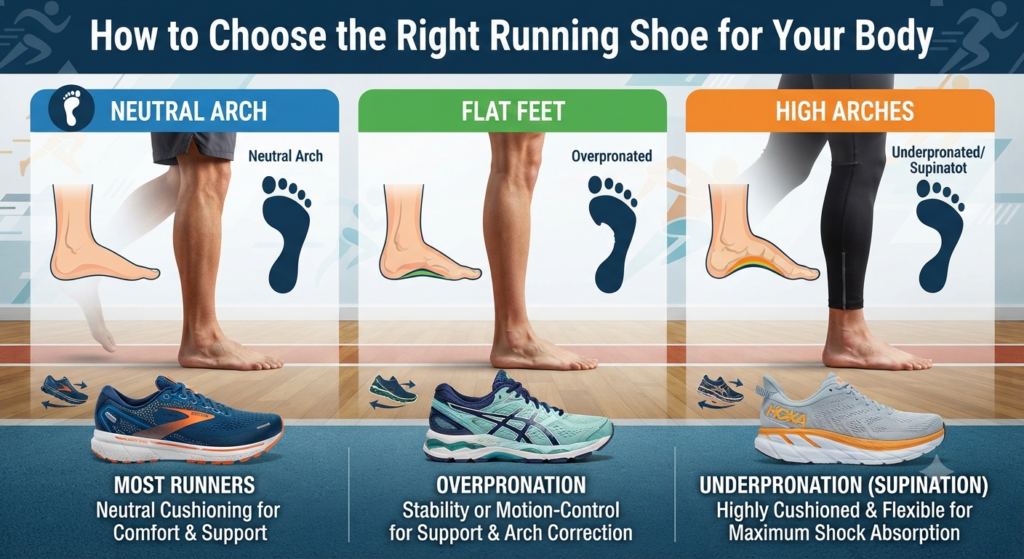
There’s no single “best” running shoe — the best one is the one that matches your foot type, running surface, and goals.
1. Know Your Foot Type
- Neutral arch: Most runners fall here and do well in neutral cushioned shoes.
- Flat feet (overpronation): Look for stability or motion-control shoes with extra arch support.
- High arches (underpronation): Cushioned, flexible shoes help compensate for reduced natural shock absorption.
A quick way to check: look at the wear pattern on an old pair of shoes, or do the simple “wet foot test” on a piece of paper.
2. Consider Your Running Surface
- Road running: Prioritize cushioning and durability on hard, consistent surfaces.
- Trail running: Look for aggressive tread patterns and reinforced toe protection.
- Treadmill running: Lighter, more flexible shoes often feel better on a moving belt.
3. Match the Shoe to Your Distance
Short, fast runs benefit from lighter, more responsive shoes. Long-distance training usually calls for more cushioning to keep your legs fresh over higher mileage.
Top Features to Look for in Lightweight, Durable Running Shoes
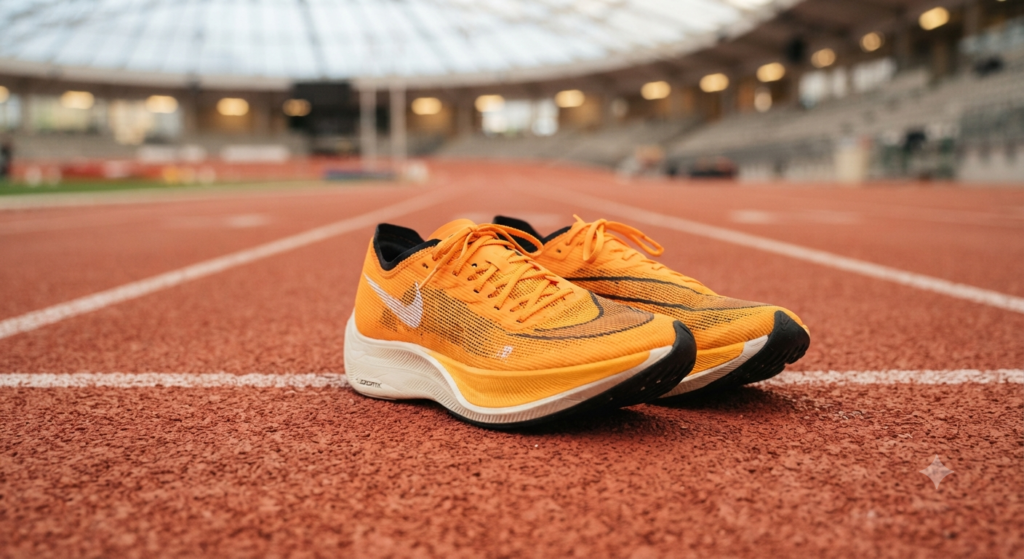
When you’re comparing options, these are the details that actually matter — not just the marketing copy on the box.
Breathable Mesh Uppers
Engineered mesh keeps feet ventilated during hot runs and adapts to the shape of your foot over time, reducing rubbing and blisters.
Responsive Cushioned Midsoles
Look for foam technologies designed to balance softness with energy return. This is usually where the biggest difference between a $50 shoe and a $150 shoe shows up.
Durable Rubber Outsoles
Carbon rubber in the heel and forefoot high-wear zones extends the life of the shoe, especially if you’re logging 20+ miles a week.
Lightweight Construction
Every extra ounce adds up over a run. Racing shoes trim weight aggressively; daily trainers balance weight with more protective cushioning.
Secure, Adaptive Fit
A well-designed lacing system and structured heel counter keep your foot locked in place without added pressure points.
Best Running Shoes for Men: What Sets Them Apart
Men’s running shoes are typically built with wider forefoot space and firmer support structures to accommodate a broader range of foot shapes and higher average body weight distribution. When shopping, prioritize:
- Reinforced heel counters for added stability on longer runs
- Wider toe boxes for natural toe splay during push-off
- Durable outsoles rated for higher mileage
(Internal linking opportunity: link to a “Men’s Running Shoe Size Guide” or “Best Men’s Trainers Under $100” page here.)
Best Running Shoes for Women: What to Prioritize
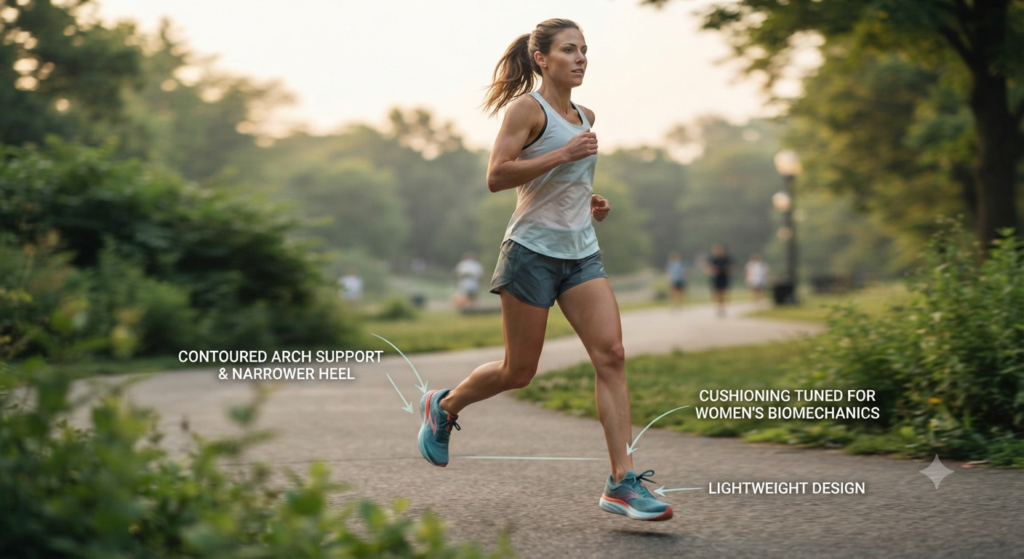
Women’s running shoes are generally designed with a narrower heel-to-forefoot ratio and softer cushioning profiles to match average biomechanical differences in stride and foot structure. Key features to look for:
- Contoured arch support tailored to a narrower heel
- Lighter overall shoe weight for faster turnover
- Cushioning tuned for lower average body weight without sacrificing support
(Internal linking opportunity: link to “Women’s Running Shoe Fit Guide” or a related product category page here.)
Common Running Shoe Mistakes to Avoid
Even experienced runners fall into these traps:
- Buying based on looks instead of fit. A shoe that photographs well isn’t necessarily the one your foot needs.
- Ignoring shoe lifespan. Most running shoes lose meaningful cushioning after 300–500 miles, even if they still look fine.
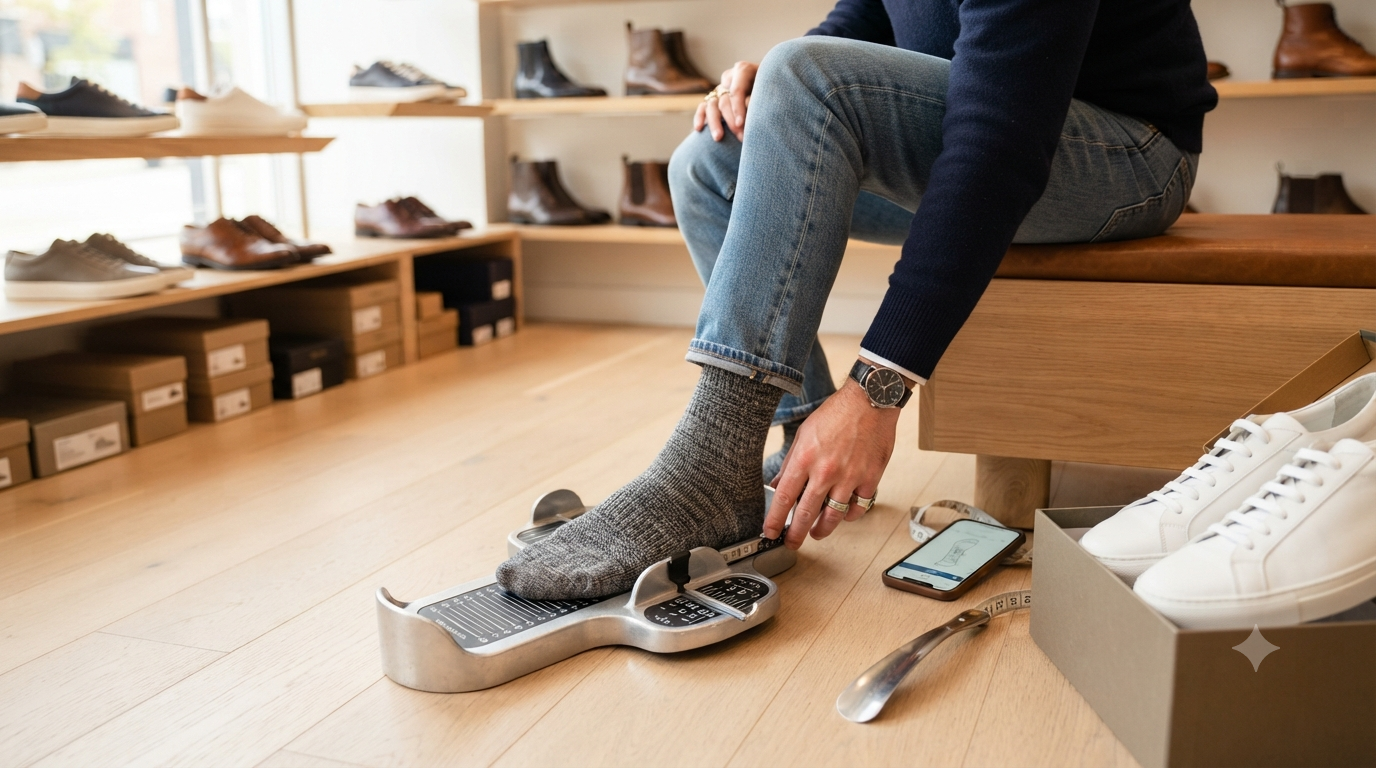
- Sizing shoes like casual sneakers. Running shoes should have roughly a thumb’s width of space at the toe to accommodate foot swelling on longer runs.
- Skipping a proper fit test. Walking around a store for thirty seconds isn’t the same as testing a shoe under real running mechanics.
- Choosing the wrong shoe for the wrong purpose. A racing flat isn’t built for daily training mileage, and a max-cushion trainer isn’t ideal for speedwork.
How Often Should You Replace Your Running Shoes?
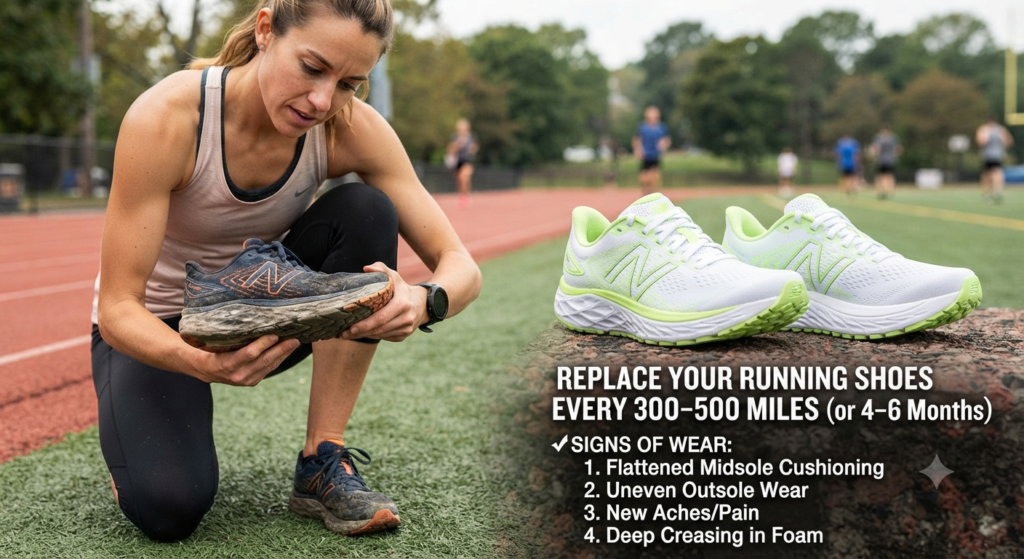
Direct answer: Most running shoes should be replaced every 300–500 miles, or roughly every 4–6 months for regular runners, since the midsole cushioning breaks down well before the outsole visibly wears out.
Signs it’s time for a new pair include flattened cushioning, uneven wear patterns, new aches after runs, or visible creasing in the midsole foam.
Frequently Asked Questions
What is the most important feature in a running shoe? Cushioning and fit typically matter most. A shoe can have great technology, but if it doesn’t match your foot shape and running mechanics, it won’t perform well for you specifically.
Are lightweight running shoes less durable? Not necessarily. Many modern lightweight shoes use advanced foam and rubber compounds that maintain durability while cutting excess weight, though ultra-light racing shoes are generally built for speed over long-term mileage.
Do I need different shoes for road versus trail running? Yes. Road shoes prioritize cushioning and smooth-surface grip, while trail shoes have deeper lugs, more traction, and added protection against rocks and roots.
How do I know if a running shoe fits correctly? There should be about a thumb’s width of space between your longest toe and the front of the shoe, with a snug (not tight) fit through the midfoot and no heel slippage.
Can the right running shoes actually prevent injury? Proper footwear can significantly reduce injury risk by supporting natural foot mechanics and absorbing impact, though shoes work best alongside gradual training progression and proper running form.
Final Thoughts: Find Your Perfect Running Shoe Today

The best running shoes for men and women aren’t defined by a brand name or a flashy colorway — they’re defined by how well they support your specific stride, distance, and goals. Lightweight, breathable, cushioned shoes can genuinely transform how running feels, turning a dreaded chore into something you look forward to.
If you’re ready to stop guessing and start running comfortably, explore our full collection of lightweight, durable running shoes built for comfort, speed, and support on every run — and find the pair that finally feels made for you.
Shop breathable, cushioned running shoes today and take the next step toward a stronger, more comfortable run.

Post Comment