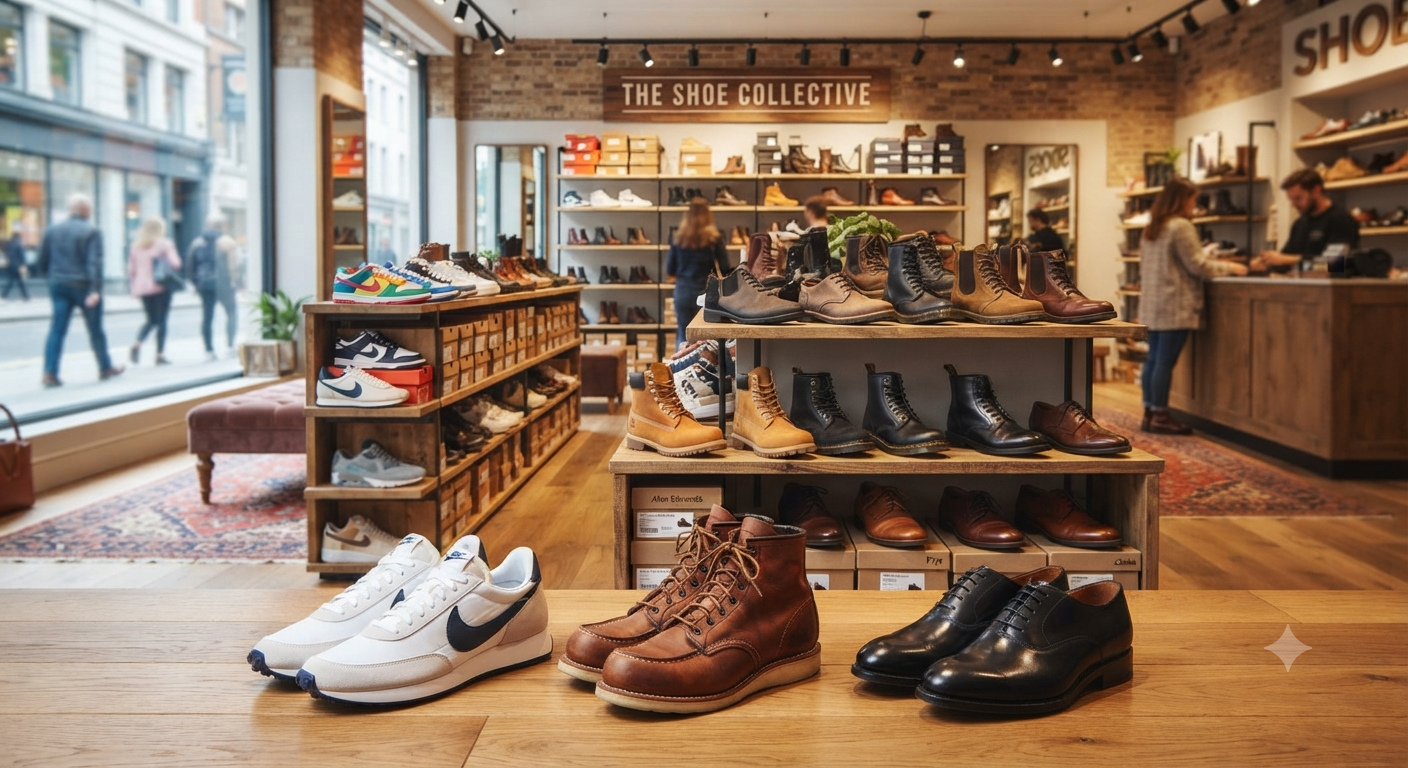
Shoes Store Near You – Sneakers, Boots & Formal Shoes for Every Occasion
Finding the right pair of shoes shouldn’t feel like a scavenger hunt. Whether you’re breaking in a new pair of running sneakers, hunting for boots before the weather turns, or need formal shoes for a wedding next weekend, the search usually starts the same way: typing “shoes store near me” into Google and hoping for the best.
The problem is, not all results are created equal. Some stores have a great sneaker selection but nothing formal. Others carry boots but skip sizes that actually fit real feet. And plenty of “local” listings turn out to be warehouses two hours away.
This guide walks you through exactly what to look for in a shoes store — online or in person — so you stop wasting weekends on stores that don’t have what you need. You’ll learn how to evaluate selection and fit, what separates a good sneaker shop from a great one, how to buy boots and formal shoes that actually last, and why shopping with free shipping and easy returns changes the whole experience.
Why Finding the Right Shoes Store Matters More Than You Think
Shoes aren’t just an accessory — they’re one of the few things you wear every single day that directly affects your comfort, posture, and even your mood. A store with a shallow selection or poor sizing guidance can lead to:
- Blisters and foot pain from ill-fitting shoes
- Wasted money on pairs you never wear
- Wardrobe gaps for specific occasions (interviews, weddings, gym days)
- Repeated returns and exchanges that eat up your time
A well-stocked shoes store — whether it’s a physical location or a strong online shop — solves this by offering enough variety, sizing options, and guidance that you get it right the first time.
Featured Snippet Answer: The best shoes store near you is one that offers a wide range of categories (sneakers, boots, formal shoes, sports footwear), accurate sizing information, and flexible return policies so you can shop confidently without visiting multiple locations.
What to Look for in a Sneakers Collection
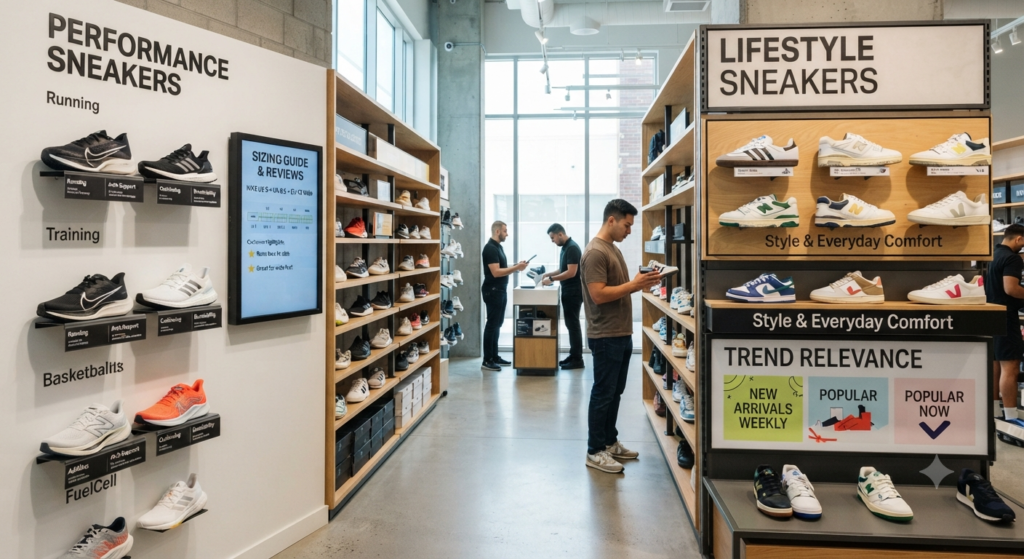
Sneakers are the most versatile category in anyone’s shoe closet, but “sneakers” now covers everything from running shoes to lifestyle streetwear. A good store should separate these clearly.
Performance vs. Lifestyle Sneakers
Performance sneakers (running, training, basketball) are built with specific cushioning, arch support, and breathability for movement. Lifestyle sneakers prioritize style and everyday comfort over athletic performance. If a store lumps both together without clear labeling, you’re more likely to end up with the wrong pair for your actual use case.
Sizing and Width Options
One of the most common complaints with sneaker shopping — especially online — is inconsistent sizing across brands. Look for stores that:
- Provide brand-specific size charts, not just generic conversions
- Offer half sizes and, ideally, wide or narrow width options
- Include customer reviews mentioning whether a shoe “runs small” or “runs large”
Trend Relevance
Sneaker trends shift fast. A store worth bookmarking regularly updates its stock with the latest trends in sneakers, formal shoes, and sports footwear rather than sitting on outdated inventory for months. This is a good sign the retailer is paying attention to what customers actually want right now, not just clearing old stock.
Choosing the Right Boots for the Season
Boots are a category where quality differences show up fast — usually the first time it rains.
Material Matters
- Genuine leather boots last longer and develop character over time but need conditioning.
- Synthetic leather is budget-friendly and often more water-resistant out of the box, but tends to wear out faster.
- Suede looks great but requires more careful maintenance and isn’t ideal for wet climates.
Match the Boot to Its Purpose
| Boot Type | Best For |
|---|---|
| Chelsea boots | Smart-casual, office-to-evening wear |
| Combat/work boots | Durability, outdoor use, rough terrain |
| Chukka boots | Casual everyday wear, mild weather |
| Rain/snow boots | Wet or cold weather protection |
Buying boots without matching the type to your actual lifestyle is one of the most common (and expensive) shoe-shopping mistakes.
Break-In Time
Good boots often need a short break-in period. A trustworthy store will tell you this upfront rather than letting you assume something’s wrong with the fit after one wear.
Formal Shoes: Getting the Fit and Finish Right
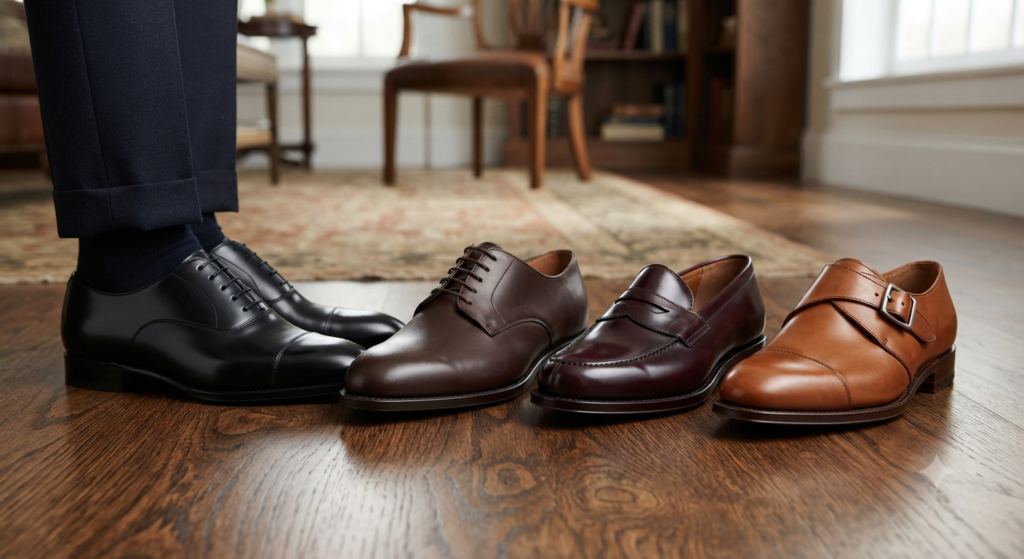
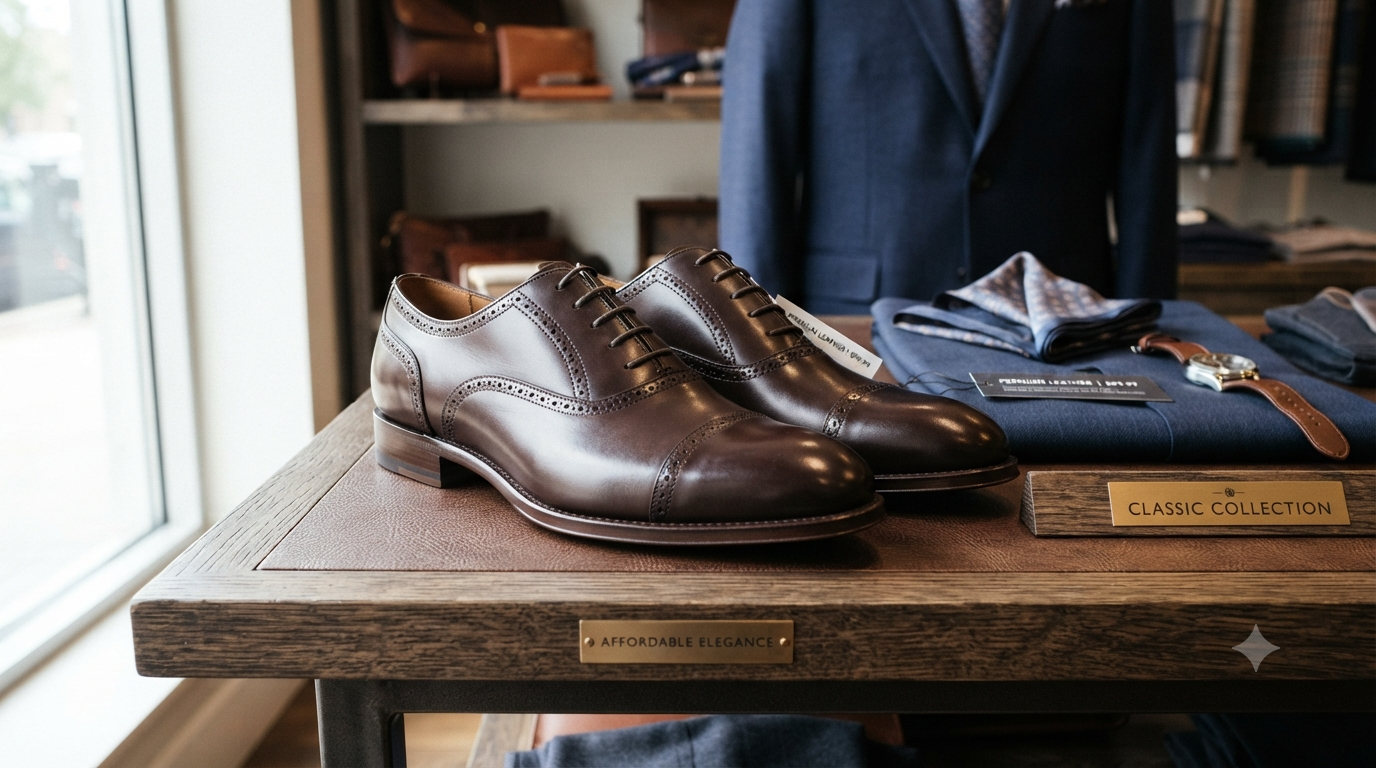
Formal shoes are judged on details that sneakers and boots often get away without: stitching, shine, and how the shoe pairs with a suit or dress silhouette.
Common Formal Shoe Styles
- Oxfords – Closed lacing, the most formal option, ideal for weddings and interviews
- Derbies – Open lacing, slightly more casual, still office-appropriate
- Loafers – Slip-on convenience for business-casual settings
- Monk straps – A buckle-based alternative that stands out subtly
Why Fit Is Non-Negotiable Here
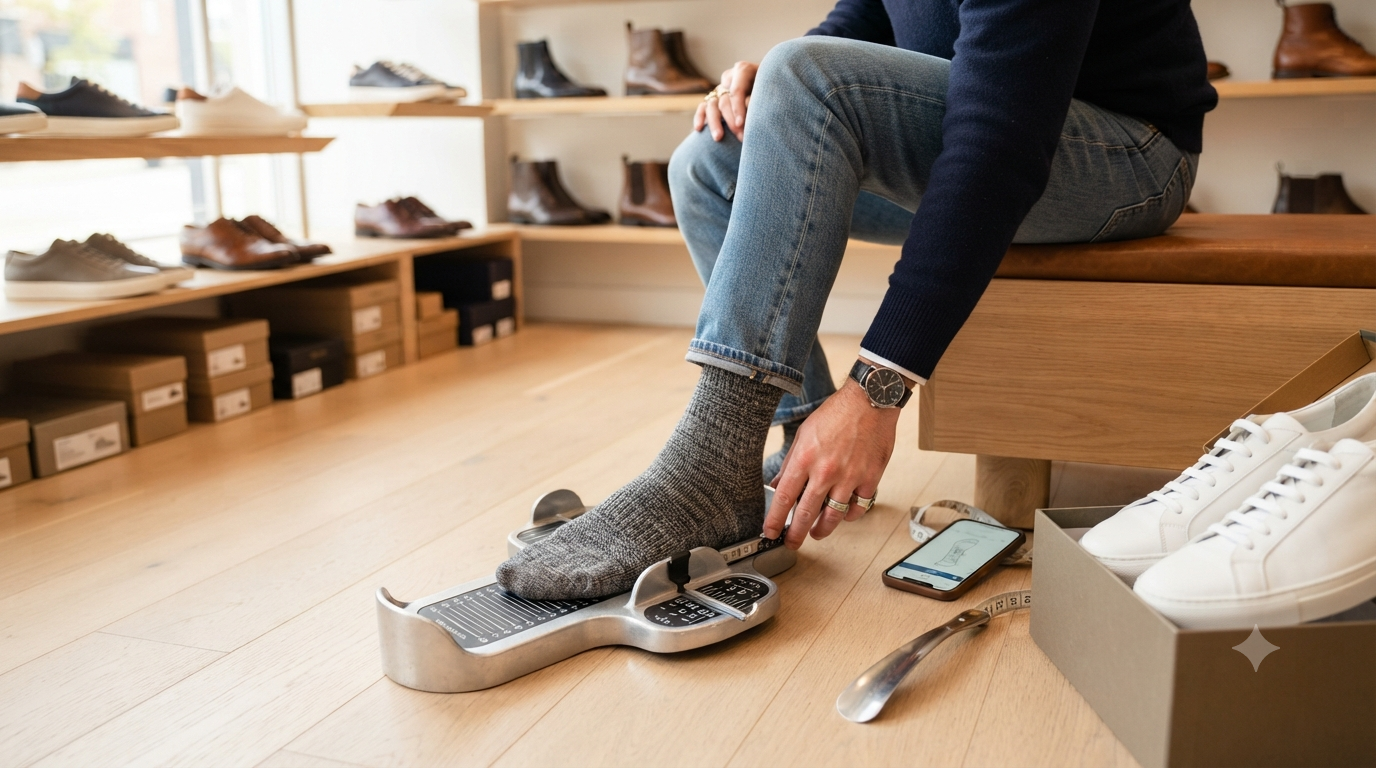
Unlike sneakers, formal shoes have almost no room for error in sizing. A half-size too big or small is far more noticeable when walking across a hardwood floor or standing for hours at an event. Look for a store that offers detailed fit guides and, ideally, in-store try-on options before committing to a formal pair for a big occaion
Sports Footwear: Function First, Style Second
Sports footwear is the category where cutting corners costs you the most — literally, in terms of joint and muscle strain.
Key Features to Check
- Cushioning technology – Look for named cushioning systems (gel, foam, air) rather than vague marketing terms.
- Arch support – Especially important for runners and anyone on their feet for long shifts.
- Breathability – Mesh uppers matter more than people think, particularly in warmer climates.
- Grip and traction – Non-negotiable for court sports, trail running, or gym workouts.
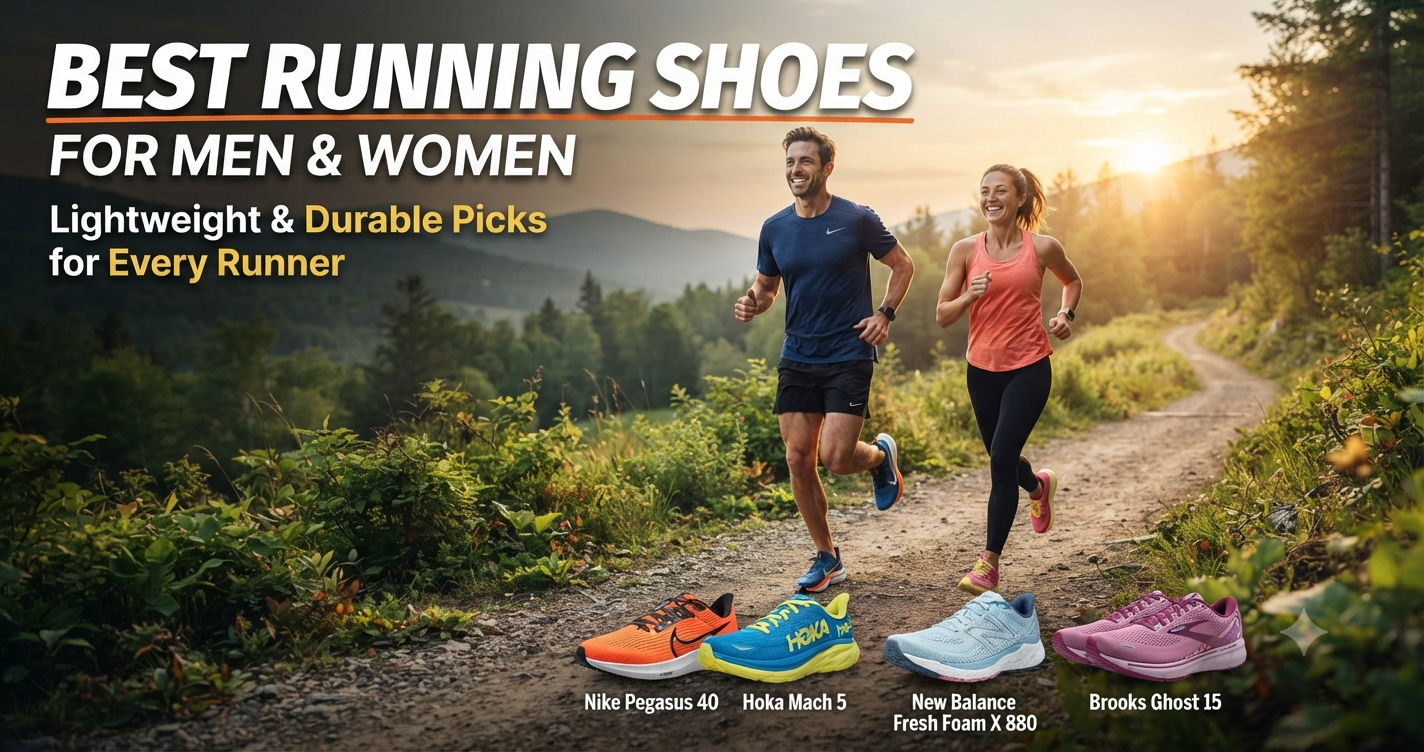
A store that separates sports footwear by activity type (running, training, court sports, outdoor) rather than dumping everything into one “athletic shoes” category is generally easier to shop and more likely staffed or curated by people who understand the category.
Why Free Shipping and Easy Returns Change Everything
Shoe sizing is inconsistent across brands, which makes online shoe shopping inherently a bit of a gamble — unless the store removes the risk for you.
What to Look For
- Free shipping on orders, ideally without a high minimum spend
- Free or low-cost returns, especially for first-time sizing
- A clear return window (30 days is a reasonable industry standard)
- Exchange options so you’re not stuck waiting for a refund before getting the size you actually need
Stores that offer this combination are essentially saying: we’re confident enough in our sizing and quality that we’ll take the risk off your hands. That confidence is worth paying attention to when deciding where to shop.
In-Store vs. Online: Which Should You Choose?
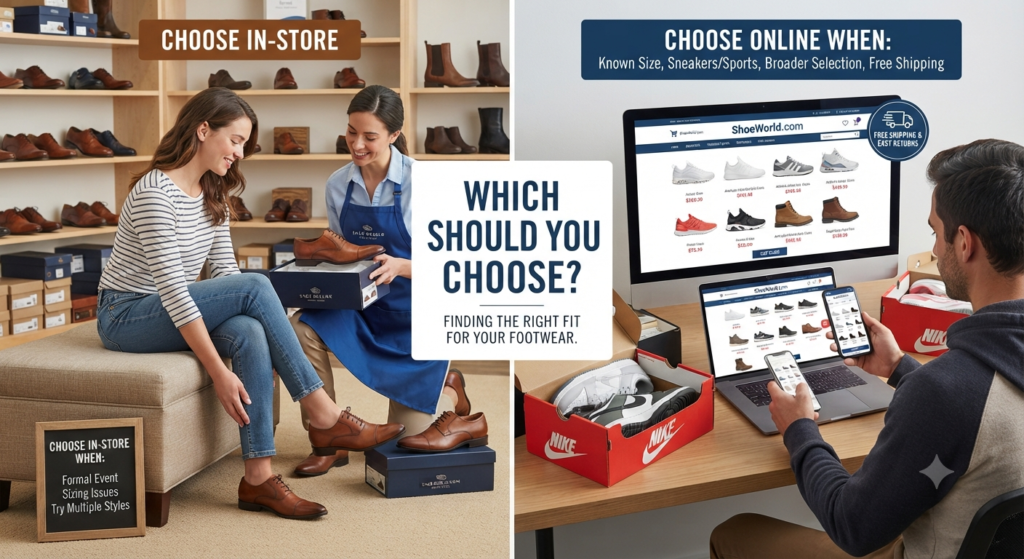
Both have a place depending on what you’re buying.
Choose in-store when:
- You’re buying formal shoes for a specific, important event
- You have unusual foot width or sizing issues
- You want to try multiple styles side-by-side immediately
Choose online when:
- You already know your size and preferred brands
- You’re shopping sneakers or sports footwear where sizing is more standardized
- You want access to a broader selection than a physical location near you carries
- Free shipping and easy returns make the online risk negligible
Many shoppers now use a hybrid approach: trying shoes in-store to confirm sizing, then buying additional colors or styles online once they know what fits.
Frequently Asked Questions
How do I find a good shoes store near me? Search for stores with strong reviews mentioning accurate sizing, variety across categories (sneakers, boots, formal shoes, sports footwear), and clear return policies. Checking recent reviews (within the last 3-6 months) helps confirm current inventory quality, not outdated impressions.
Is it better to buy shoes online or in a physical store? It depends on the shoe type. Formal shoes benefit from in-person try-ons due to tighter fit tolerances, while sneakers and sports footwear are generally safe to buy online, especially from stores offering free shipping and easy returns.
How much should I expect to spend on a quality pair of shoes? This varies widely by category, but as a general guideline, durable everyday sneakers typically start around $60-$100, quality leather boots around $100-$200, and well-made formal shoes around $80-$150. Prices above or below this range are worth researching further before buying.
What’s the easiest way to know if a shoe will fit before buying online? Check the brand’s specific size chart (not a generic one), read reviews mentioning fit, and confirm the store has an easy exchange policy in case the first size isn’t right.
How often do sneaker and footwear trends actually change? Major trend shifts typically happen seasonally, but sneaker culture especially moves faster, with new releases and colorways dropping monthly. Stores that update inventory regularly are a good sign of an actively managed catalog.
Final Thoughts: Shop Smarter, Not Just Closer
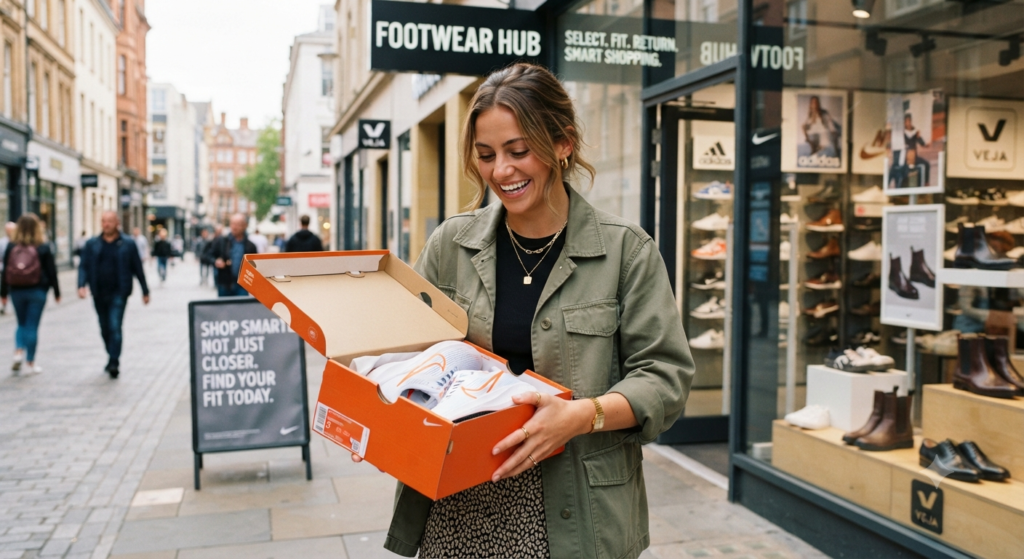
The best shoes store isn’t necessarily the one nearest to you — it’s the one that actually has what you’re looking for, in your size, backed by a return policy that removes the guesswork. Whether you’re after sneakers for daily wear, boots for the season ahead, or formal shoes for an upcoming event, prioritize selection, sizing accuracy, and shopping flexibility over convenience alone.
Ready to find your next pair? Explore the latest trends in sneakers, boots, formal shoes, and sports footwear today — with free shipping and easy returns, there’s no reason to settle for “close enough.”

Post Comment